


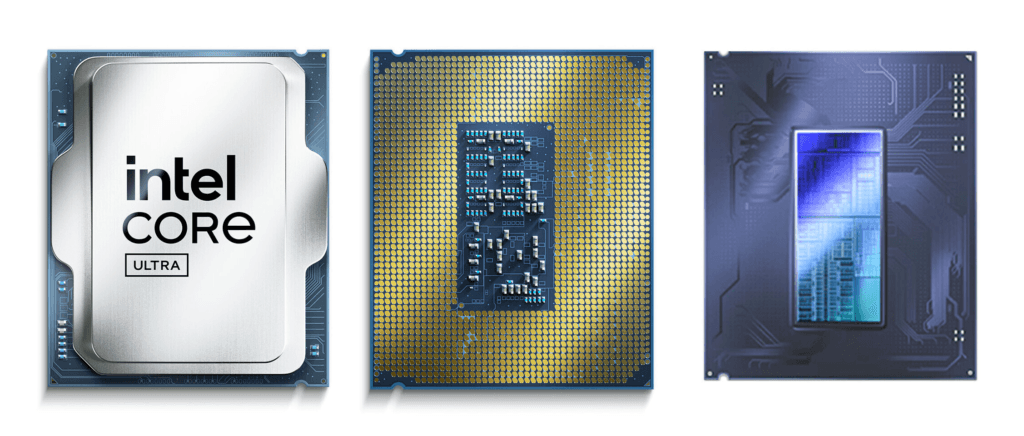
Intel has reportedly informed its key PC manufacturing partners of a planned 10% price increase on its consumer CPUs. According to industry sources cited by ET News, the adjustment is expected to impact the company’s Core Ultra processor lineup — chips that power a vast portion of modern desktops and laptops worldwide. While Intel has not officially confirmed the move, such a shift could have wide-reaching implications across the broader PC ecosystem.
What This Means for PC Manufacturers
For OEMs (original equipment manufacturers), the timing is particularly significant. Rising component costs are already putting pressure on margins, and a CPU price hike would further increase the bill of materials for new systems. To compensate, many manufacturers are expected to lean more heavily into premium and AI-focused PCs, positioning them as higher-value products. By emphasizing AI capabilities and next-generation features, OEMs may attempt to justify higher price points while protecting profitability. In practice, this likely means gradual price increases for end users, especially in mid-range and high-end segments. For more on how Intel is positioning its next-generation hardware, see our coverage of Intel’s Nova Lake desktop CPU lineup.
A Perfect Storm of Rising Component Costs
This development comes amid an already challenging period for PC enthusiasts and gamers. Over the past year, the cost of essential components such as memory and storage has surged, with even standard RAM kits reaching unusually high price levels. A major factor behind this trend has been sustained demand from data centers and AI infrastructure, which has significantly reduced available supply in the consumer market. For context on how the storage side of this equation is playing out, see our earlier coverage of Micron’s next-gen SSD launches and AI storage trends.
Graphics cards have also been affected, as ongoing shortages of GDDR memory (used as VRAM) have made it difficult for consumers to purchase GPUs at their intended retail prices. Now, CPUs may be following the same upward trajectory. Intel’s consumer segment appears to be the first to see these adjustments, and the ripple effects could extend across the entire PC market. A 10% increase in CPU pricing might seem modest in isolation, but since processors are a core component of every system, the cumulative impact on total system cost can be substantial. This will likely influence pricing for everything from pre-built desktops and custom DIY PCs to laptops and compact systems.
How Retailers and Buyers May Be Affected
Looking ahead, much will depend on how retailers and system integrators respond. Major sellers such as Micro Center, Amazon, and Newegg could either absorb part of the increase to remain competitive or pass it directly on to consumers. Until pricing changes become visible at the retail level, the full impact of Intel’s reported decision remains uncertain — but the broader trend suggests that building or buying a PC may continue to get more expensive in the near future. For those weighing alternatives, AMD has not announced any corresponding price increases — see our coverage of the AMD Ryzen 9000 series for a current competitive reference point.
Key Facts at a Glance
| Detail | Info |
|---|---|
| Reported Increase | 10% on consumer CPU lineup |
| Chips Affected | Core Ultra processor lineup (desktops and laptops) |
| Source | ET News (industry sources) |
| Intel Official Comment | Not confirmed |
| OEM Impact | Higher bill of materials; premium/AI PC push expected |
| Consumer Impact | Gradual price increases on mid-range and high-end systems |
| AMD Response | No price increases announced |
Source: TechPowerUp
